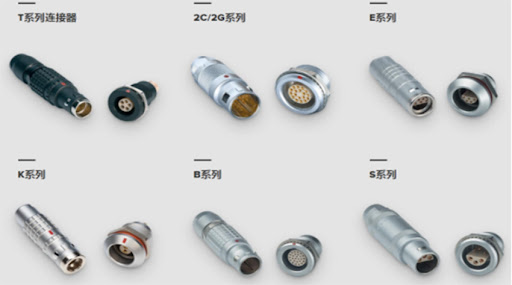
Medical connectors are critical components in healthcare devices, ensuring reliable signal transmission and consistent power delivery. The performance, durability, and safety of these connectors depend heavily on the materials used in their construction. With medical technology advancing rapidly, connector manufacturers are increasingly adopting new materials that provide enhanced performance, biocompatibility, and environmental resistance. Understanding these materials is essential for medical device designers, engineers, and procurement teams.
Leading medical connector manufacturers have embraced innovative materials to improve the durability, reliability, and safety of their products. These materials are designed to withstand repeated mating cycles, exposure to cleaning agents, sterilization processes, and environmental stressors, all while maintaining optimal electrical performance. From advanced polymers to biocompatible metals and specialized coatings, the materials used in modern medical connectors address the unique demands of healthcare applications.
High-Performance Polymers
High-performance polymers are increasingly being used in medical connector housings and insulators. Traditional plastics, while cost-effective, often degrade under repeated sterilization, high temperatures, or exposure to chemicals. Advanced polymers such as polyetheretherketone (PEEK), liquid crystal polymer (LCP), and polyphenylene sulfide (PPS) offer superior mechanical strength, chemical resistance, and thermal stability.
These polymers maintain structural integrity during repeated sterilization cycles and resist warping or cracking. They also provide excellent electrical insulation, which is essential for preventing short circuits and maintaining signal integrity. Their lightweight properties make them ideal for compact and portable medical devices, contributing to improved device ergonomics.
Biocompatible Metals
Metal components in medical connectors, such as contacts and shells, are crucial for electrical performance and mechanical durability. Traditional metals may corrode or wear out over time, especially when exposed to moisture or cleaning agents. Modern medical connector manufacturers are increasingly using biocompatible metals like stainless steel, titanium, and nickel alloys.
These metals provide corrosion resistance, strength, and longevity, ensuring reliable electrical performance over the device’s lifetime. Gold-plated contacts are also common, as gold resists oxidation, maintains low contact resistance, and enhances signal reliability, which is critical in sensitive medical applications like ECG machines and imaging equipment.
Specialized Coatings
To further enhance performance and durability, manufacturers are applying specialized coatings to both metal and polymer components. Coatings such as gold, silver, and palladium provide excellent conductivity, corrosion resistance, and wear resistance. Additionally, anti-microbial coatings are being developed to reduce the risk of infection in patient-contact devices. These coatings help maintain hygiene standards without compromising electrical performance or connector longevity.
Other coatings improve mechanical performance, reducing friction in mating cycles and minimizing wear on contacts. This ensures that connectors continue to provide reliable connections even after repeated use in high-demand medical environments.
Flexible and Hybrid Materials
In some modern medical devices, flexibility and multifunctionality are essential. Flexible elastomers and hybrid materials are being used to create connectors that combine durability with adaptability. These materials allow connectors to bend or flex without breaking, making them suitable for wearable devices, portable diagnostic equipment, and patient monitoring systems.
Hybrid connectors integrate multiple materials within a single component, combining metal contacts for electrical performance with polymer housings for insulation and protection. This combination enhances overall device reliability and allows for more compact and efficient designs.
Environmental Resistance Materials
Medical connectors must withstand environmental stressors, including exposure to moisture, cleaning agents, disinfectants, and temperature fluctuations. Advanced materials such as fluoropolymers, silicone-based compounds, and epoxy resins are used to create connectors resistant to harsh environments. These materials prevent water ingress, chemical degradation, and thermal expansion, ensuring reliable operation in critical healthcare settings.
Environmental resistance materials are particularly important for surgical instruments, diagnostic devices, and patient-contact equipment, where repeated sterilization and cleaning are necessary.
Conclusion
The choice of materials in medical connectors significantly influences their performance, durability, and safety. Modern medical connector manufacturers are increasingly adopting high-performance polymers, biocompatible metals, specialized coatings, flexible materials, and environmentally resistant compounds to meet the evolving demands of healthcare applications. These materials ensure that connectors maintain electrical integrity, resist wear and corrosion, and withstand repeated cleaning and sterilization cycles. By leveraging innovative materials, manufacturers provide connectors that support reliable, safe, and long-lasting operation of medical devices, ultimately enhancing patient care and device performance.