
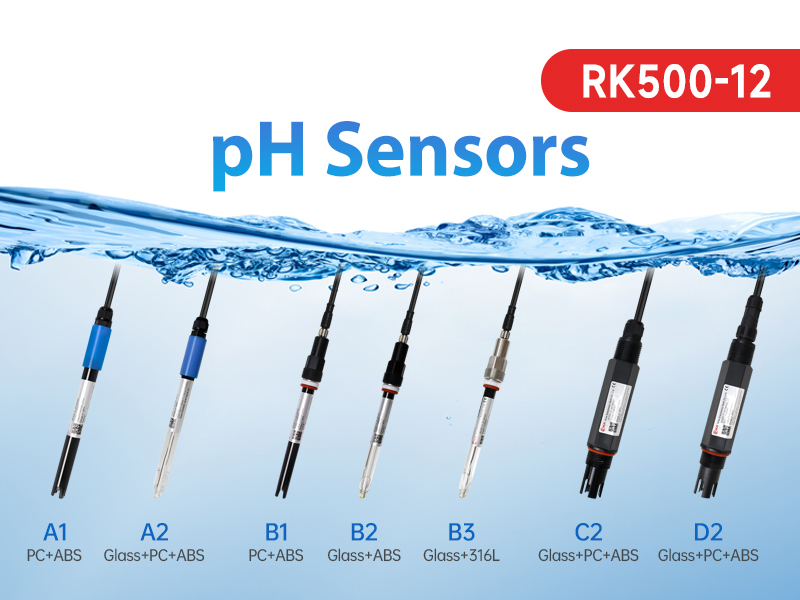
pH sensors have evolved significantly over the past decades, driven by the need for more accurate, reliable, and versatile measurement solutions. Modern applications in industries, research laboratories, environmental monitoring, and healthcare demand sensors that can perform under diverse conditions while providing precise data. Innovations in sensor materials, electronics, and design have greatly enhanced the capabilities and performance of pH measurement devices.
Advances in Sensor Materials and Electrode Design
Traditional pH sensors rely on glass electrodes, which provide accurate and stable readings under controlled conditions. Recent innovations, however, have introduced durable polymer membranes, solid-state electrodes, and microelectrode designs. These advancements improve the longevity of pH sensors, enable measurements in harsh or low-volume samples, and reduce maintenance requirements. Improved electrode materials also enhance response time and sensitivity, allowing for quicker and more precise readings in complex solutions.
Miniaturization and Portability
The trend toward miniaturization has transformed pH sensor applications. Compact and portable designs now enable on-site testing, field research, and point-of-care diagnostics. Portable sensors often include integrated displays, temperature compensation, and data logging capabilities, allowing users to measure pH accurately without the need for laboratory infrastructure. This innovation expands the range of environments where pH monitoring is feasible, from remote agricultural fields to industrial pipelines.
Digital Integration and Smart Sensors
Modern pH sensors increasingly feature digital output options, allowing seamless integration with data acquisition systems, automation platforms, and IoT networks. Smart pH sensors can transmit readings wirelessly, log historical data, and even provide diagnostic information about sensor health. These capabilities reduce human error, enhance real-time monitoring, and improve decision-making across industrial, environmental, and research applications. Digital integration has made pH measurement more versatile and accessible than ever before.
Enhanced Stability and Long-Term Performance
Long-term stability has always been a critical factor in sensor reliability. Innovations such as advanced reference electrodes, double-junction designs, and improved buffer solutions have extended calibration intervals and reduced drift. Sensors now maintain accuracy for longer periods, even in aggressive or fluctuating chemical environments. These improvements lower operational costs, minimize downtime, and support continuous monitoring in industrial and environmental systems.
Applications in Harsh and Specialized Environments
Innovations in design have expanded the usability of pH sensors in specialized applications. High-temperature, high-pressure, or highly corrosive environments were previously challenging for traditional sensors. New materials and robust sensor housings allow pH measurement in chemical reactors, wastewater treatment facilities, and marine environments. Microfabricated electrodes enable accurate readings in microfluidic devices and other applications with limited sample volumes.
Automation and Process Control Integration
Advanced pH sensors now support automated process control in industrial and laboratory systems. By delivering reliable, real-time data, they can trigger chemical dosing, adjust flow rates, or regulate reaction conditions without human intervention. This integration improves efficiency, ensures product quality, and reduces operational errors. Continuous monitoring supported by innovative sensor design ensures that critical processes remain stable and compliant with regulatory standards.
User-Friendly Features and Maintenance Improvements
New designs also focus on usability and maintenance. Removable and replaceable electrodes, self-cleaning mechanisms, and calibration prompts simplify sensor operation and extend lifespan. Sensors are now easier to handle, store, and maintain, reducing the training burden for operators and ensuring consistent performance across multiple users and environments.
Future Trends in pH Sensor Innovation
The future of pH sensors will likely involve further integration with smart systems, advanced materials, and miniaturization. Innovations may include more energy-efficient wireless sensors, highly selective electrodes for specific ions, and enhanced predictive maintenance capabilities. As industries and research fields demand more precise, real-time, and remote measurement solutions, sensor design will continue to evolve to meet these challenges.
Conclusion
Innovations in pH sensor technology have transformed the way industries, laboratories, and field applications monitor acidity and alkalinity. Advancements in materials, miniaturization, digital integration, and automated process compatibility have improved accuracy, durability, and usability. These innovations ensure that modern pH sensors provide reliable, real-time data in diverse environments, supporting better decision-making, enhanced process control, and expanded application possibilities across scientific and industrial fields.