
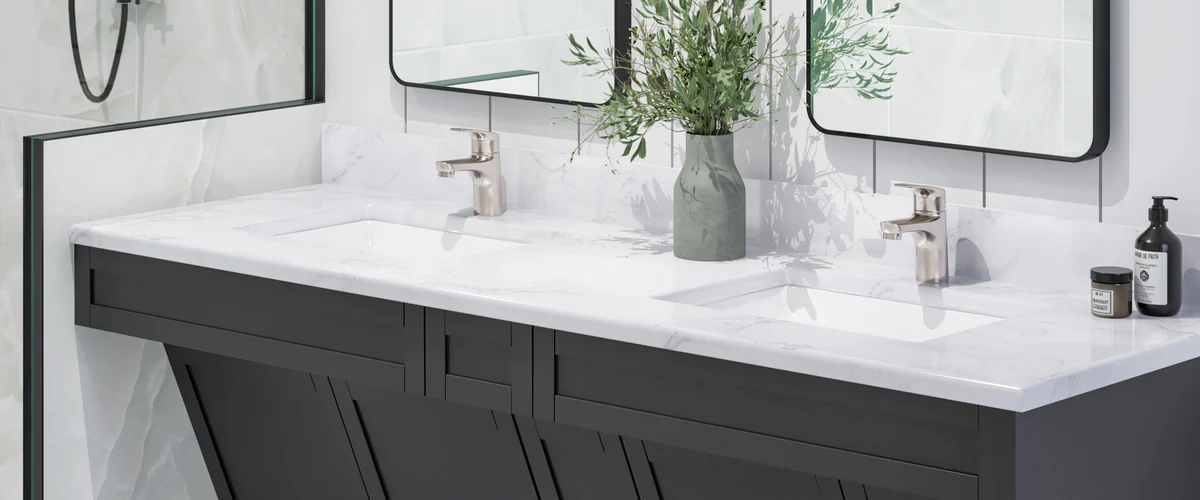
Retrofitting an existing bathroom with an ADA sink is an essential step toward creating an accessible and inclusive environment. Whether for residential homes, commercial buildings, or public facilities, upgrading to an ADA-compliant sink ensures that individuals with mobility challenges can use the bathroom safely and comfortably. While retrofitting may require careful planning and adjustments, the process can significantly improve both functionality and compliance with the Americans with Disabilities Act (ADA).
When retrofitting, it is important to select a sink that meets all ADA requirements, including height, clearance, and accessibility of controls. For those looking for reliable and compliant options, an ADA Bathroom Sink provides a practical solution. These sinks are designed to fit a range of layouts, making it easier to adapt existing bathrooms without extensive remodeling. Choosing the right model ensures that the retrofit meets legal standards while providing a safe and convenient experience for all users.
Assessing Existing Bathroom Layout
The first step in retrofitting a bathroom is assessing the current layout. Measure the available space around the existing sink to determine if it can accommodate an ADA-compliant design. Consider factors such as wall clearance, floor space, and the location of plumbing fixtures. ADA guidelines recommend that sinks have a maximum rim height of 34 inches and sufficient knee clearance beneath the basin, usually 27 inches high, 30 inches wide, and 19 inches deep. Evaluating the layout helps identify any obstacles that may need adjustment, such as cabinets or storage units under the existing sink.
Choosing the Right Sink Design
Selecting the appropriate sink design is critical for a successful retrofit. Wall-mounted sinks are often preferred for their open space underneath, allowing wheelchair users to access the basin easily. Pedestal sinks can also be adapted, provided the pedestal is slim enough to provide adequate legroom. Countertop sinks with modified cabinetry or integrated designs are another option. The key is to choose a design that maximizes accessibility while fitting within the constraints of the existing bathroom.
Adjusting Plumbing and Fixtures
Once the sink type is chosen, plumbing modifications may be necessary to meet ADA requirements. Ensure that the water supply and drain pipes are positioned to allow adequate knee and toe clearance beneath the sink. Exposed pipes should be insulated or covered to prevent burns or injuries. If replacing a traditional faucet, consider installing lever-operated, push-type, or sensor-activated faucets. These designs require minimal effort to operate, making them ideal for individuals with limited strength or dexterity. Proper placement of the faucet within reach from a seated position is essential for usability.
Removing Obstructions
Existing cabinetry, storage units, or counter structures may need to be removed or modified to provide sufficient clearance for an ADA sink. Wall-mounted designs often require removing cabinets beneath the sink to create open knee space. For pedestal or countertop sinks, adjustments may involve trimming or repositioning the pedestal, cutting back cabinetry, or reconfiguring storage to ensure accessibility. Removing obstructions not only improves usability but also helps maintain compliance with ADA height and clearance standards.
Ensuring Adequate Floor Space
In addition to sink clearance, it is important to ensure that there is sufficient clear floor space in front of the sink. ADA guidelines recommend a minimum floor area of 30 by 48 inches to allow for wheelchair maneuverability. Check that doors, toilets, or other fixtures do not impede access. Proper floor space ensures that users can approach, use, and exit the sink comfortably. In some cases, repositioning other bathroom fixtures may be necessary to optimize accessibility.
Installing Accessories and Finishing Touches
After the sink is installed, consider the placement of other accessories to complete the retrofit. Soap dispensers, paper towel holders, mirrors, and hand dryers should all be within reach, generally no higher than 40 inches from the floor. Wall-mounted shelves or additional storage should not interfere with accessibility. Properly positioning these items ensures that the bathroom is fully functional and convenient for all users.
Testing for Accessibility
Before finalizing the retrofit, test the sink and surrounding space to confirm compliance with ADA standards. Verify that knee and toe clearance are sufficient, the faucet is easily reachable, and the floor space allows for smooth maneuvering. Testing ensures that the bathroom retrofit meets both safety and accessibility requirements. Any necessary adjustments should be made before completing the project.
Maintenance and Longevity
Retrofitting a bathroom with an ADA sink also requires ongoing maintenance. Regularly inspect the plumbing, faucet, and mounting hardware to ensure stability and functionality. Clean the sink and surrounding surfaces with non-abrasive cleaners to maintain hygiene and prolong the lifespan of the fixtures. Proper maintenance ensures that the retrofitted bathroom continues to meet accessibility standards over time.
Conclusion
Retrofitting an existing bathroom with an ADA sink is a practical way to enhance accessibility, safety, and compliance with legal standards. By assessing the current layout, choosing the right sink design, modifying plumbing, removing obstructions, and ensuring proper floor space, homeowners and facility managers can create a fully accessible environment. Adding accessible accessories and performing regular maintenance further enhances usability and longevity. Retrofitting with an ADA-compliant sink transforms an ordinary bathroom into a space that accommodates all users, promoting independence, safety, and comfort.