
Laboratory experiments require precise control over environmental and chemical conditions to ensure accurate results and reproducibility. One critical parameter in many experiments is pH, which affects chemical reactions, biological activity, and solution stability. Accurate monitoring and control of pH are essential for research integrity, safety, and efficiency.
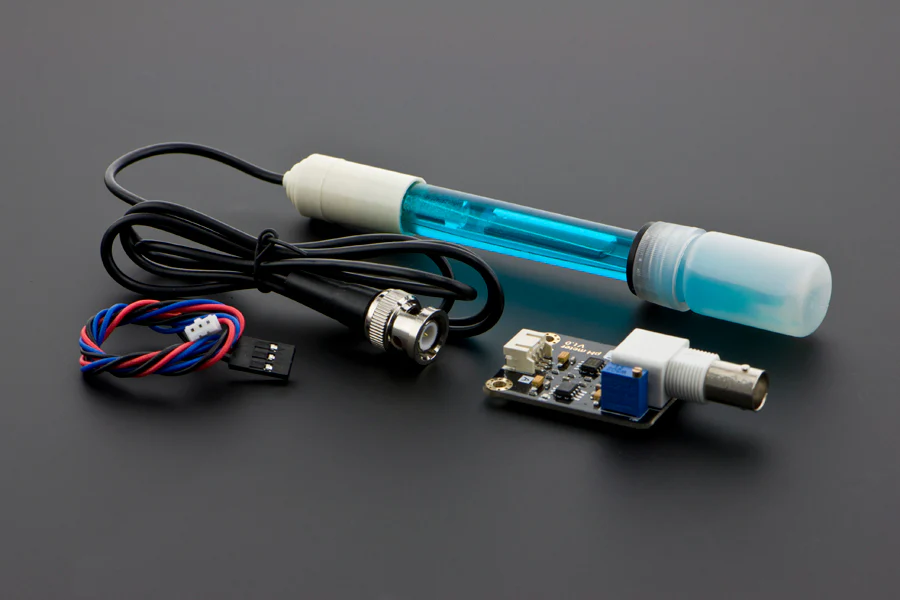
A reliable tool for this purpose is the pH sensor. These sensors provide accurate, real-time measurements of hydrogen ion concentration in various solutions. By using pH sensors in laboratory settings, researchers can maintain optimal conditions, detect deviations early, and make timely adjustments to preserve experiment integrity.
Importance of pH Control in Laboratories
pH plays a crucial role in chemical reactions, enzymatic activity, and microbial growth. In biochemical and pharmaceutical laboratories, maintaining the correct pH ensures that reagents function as intended, and experimental outcomes remain consistent. For example, certain enzymes have narrow pH ranges for optimal activity, and any deviation can affect the reaction rate or product formation.
Similarly, in chemical synthesis, pH influences reaction pathways and yields. Deviations from target pH levels can lead to undesired side reactions or reduced efficiency. Regular monitoring with pH sensors allows scientists to maintain precise conditions, reducing errors and improving reproducibility.
Types of pH Sensors Used in Laboratory Settings
Laboratories utilize various pH sensors depending on the application. Glass electrode sensors are widely used for their accuracy and stability in aqueous solutions. These sensors are ideal for batch testing and quality control applications, providing reliable data for reporting and analysis.
For experiments requiring continuous monitoring, combination electrodes or ISFET (Ion-Sensitive Field-Effect Transistor) sensors are preferred. These sensors provide rapid response, are durable, and are compatible with automated laboratory systems. Their high precision ensures that even minor fluctuations in pH are detected, allowing for immediate corrective actions.
Integration with Laboratory Automation
Modern laboratories increasingly rely on automated systems for data collection and process control. pH sensors can be integrated into titration systems, bioreactors, and chemical analyzers to provide real-time monitoring. Automated feedback systems can adjust reagents, temperature, or buffer solutions to maintain optimal pH, ensuring consistent experimental conditions.
Data from pH sensors can also be logged for quality assurance, trend analysis, and compliance purposes. Researchers can monitor multiple experiments simultaneously, improving efficiency while reducing the risk of human error in manual measurements.
Benefits of Using pH Sensors in Laboratories
Implementing pH sensors in laboratory settings offers multiple advantages. They provide accurate and continuous monitoring, allowing for timely adjustments that preserve experiment integrity. This reduces the likelihood of failed experiments and ensures reproducible results.
Additionally, pH sensors enhance laboratory safety by detecting abnormal pH levels that may indicate chemical hazards. They also support efficient resource use, as real-time monitoring prevents the unnecessary use of reagents and buffers. Overall, pH sensors contribute to higher productivity, reliable results, and safer laboratory operations.
Best Practices for pH Sensor Use
To maintain sensor performance, regular calibration with standard buffer solutions is essential. Cleaning the electrodes prevents residue buildup that could impair accuracy. Selecting sensors appropriate for the solution type, temperature, and chemical composition enhances durability and reliability.
Proper installation, including correct immersion and positioning in vessels, ensures that measurements accurately reflect the solution conditions. Following manufacturer guidelines for calibration, storage, and maintenance maximizes sensor lifespan and measurement accuracy.
Conclusion
pH sensors are indispensable tools for maintaining optimal conditions in laboratory environments. By providing precise, real-time monitoring of acidity and alkalinity, they help ensure reproducible results, protect reagents, and maintain safe experimental conditions. Integration with automated systems and adherence to best practices further enhances their reliability and efficiency, making them a cornerstone of modern laboratory operations.