
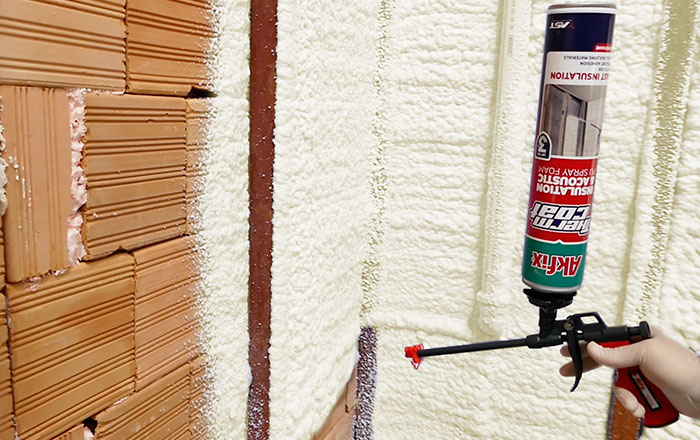
Reducing energy bills has become a priority for homeowners and office managers alike. Poor insulation and air leaks are major contributors to wasted energy, forcing heating and cooling systems to work harder. One of the most effective solutions for improving energy efficiency is the use of foam sealant. This versatile material can seal gaps, prevent drafts, and enhance insulation, ultimately lowering energy consumption and utility costs.
Understanding Foam Sealant
Foam sealant is a polyurethane-based expanding material that fills cracks, gaps, and cavities in walls, ceilings, floors, and around doors and windows. Its expanding properties allow it to create airtight and moisture-resistant seals on a wide variety of surfaces, including wood, metal, concrete, and brick. For reliable and high-performing options, foam sealant comes in specialized formulations suitable for indoor, outdoor, and targeted applications, making it an ideal choice for energy-efficient building solutions.
How Foam Sealant Reduces Energy Loss
1. Sealing Air Leaks
Air leaks are a leading cause of energy loss in homes and offices. Gaps around doors, windows, and structural joints allow warm or cool air to escape, increasing heating and cooling costs. Foam sealant expands to fill these spaces completely, creating an airtight barrier. This prevents drafts, maintains a consistent indoor temperature, and reduces the workload on HVAC systems.
2. Enhancing Wall and Ceiling Insulation
Foam sealant is not just a sealant; it also acts as an insulating material. When applied inside wall cavities, around roof spaces, or under floors, it traps air and reduces heat transfer through conduction. This enhances the overall thermal performance of the building envelope, helping to retain heat in winter and keep interiors cooler in summer.
3. Minimizing Thermal Bridging
Thermal bridging occurs when heat passes through structural elements such as studs, beams, or window frames, bypassing insulation. Foam sealant can be applied around these elements to create a continuous thermal barrier, reducing hot or cold spots and improving energy efficiency throughout the building.
Benefits for HVAC Efficiency
By sealing leaks and improving insulation, foam sealant lessens the demand on heating, ventilation, and air conditioning systems. With fewer drafts and more stable indoor temperatures, HVAC units operate more efficiently, consuming less energy and reducing wear and tear. This translates into lower energy bills and longer equipment lifespan.
Additional Advantages of Foam Sealant
- Moisture Resistance: Foam sealant prevents water infiltration, protecting insulation materials from dampness and degradation.
- Noise Reduction: Its dense structure also provides acoustic insulation, reducing noise pollution from outside or between rooms.
- Durability: Once cured, foam sealant maintains its shape and effectiveness over time, resisting shrinkage and deterioration.
- Versatility: Suitable for various surfaces and both indoor and outdoor applications, it addresses multiple energy efficiency challenges simultaneously.
Tips for Maximizing Energy Savings
- Identify common leakage areas such as door frames, window sills, baseboards, and utility penetrations.
- Apply foam gradually to avoid over-expansion and ensure complete coverage.
- Ensure surfaces are clean and dry before application for maximum adhesion.
- Trim excess foam after curing to maintain a neat finish.
- Choose the correct foam formulation for specific applications, including high-temperature or outdoor conditions, to maintain long-term effectiveness.
Conclusion
Using foam sealant is an effective and practical way to reduce energy bills by improving insulation, sealing air leaks, and minimizing thermal bridging. Its dual function as a sealant and insulator enhances indoor comfort while reducing the workload on heating and cooling systems. By applying foam sealant properly and selecting the right product for your needs, homeowners and office managers can enjoy significant energy savings, improved efficiency, and a more comfortable and sustainable indoor environment. Proper use of foam sealant is a cost-effective step toward energy-efficient living and long-term building performance.