
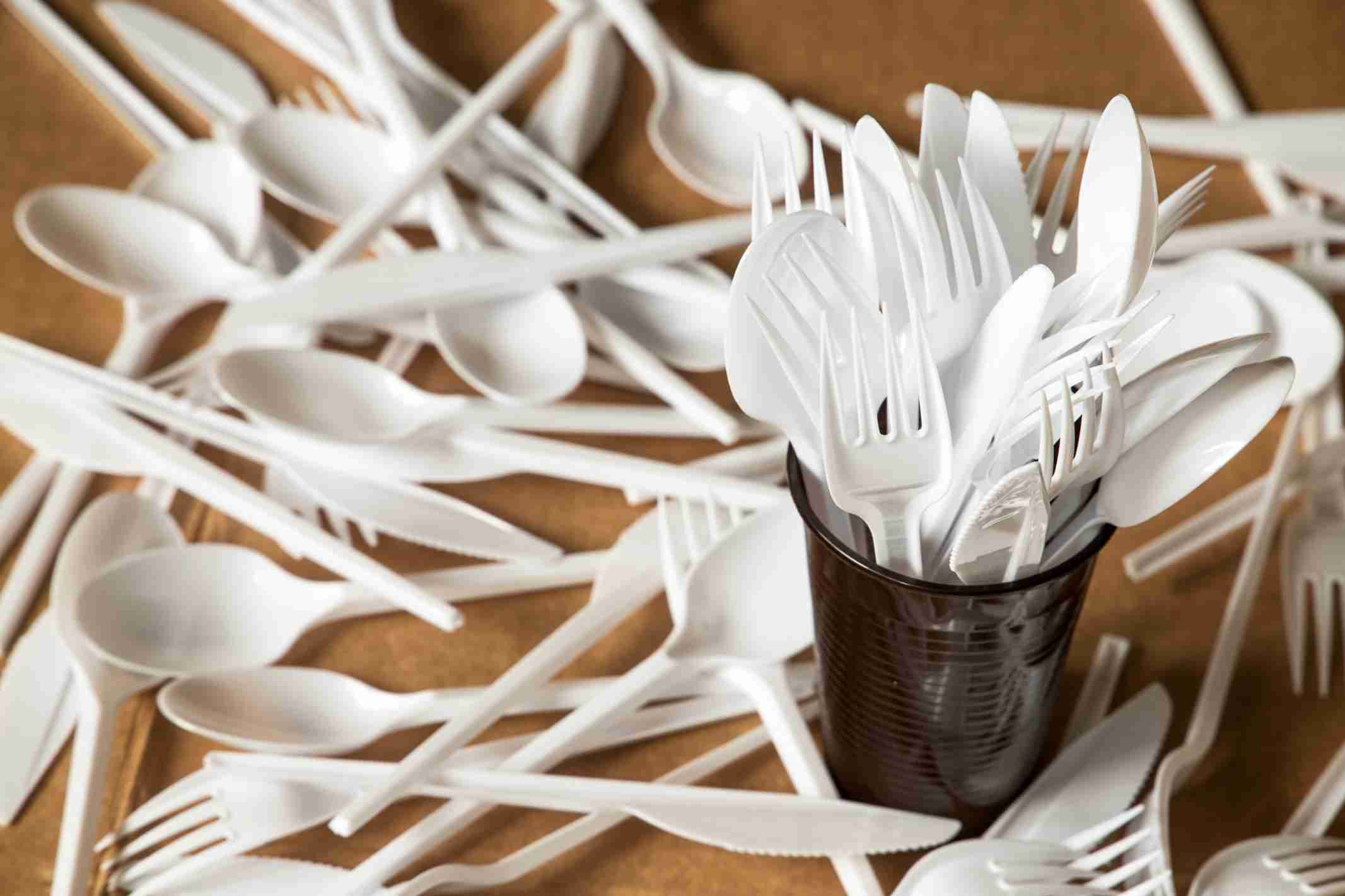
The disposable cutlery industry has seen remarkable innovation in recent years, driven by evolving consumer demands, sustainability concerns, and technological advancements. Traditional plastic cutlery is being supplemented and replaced by eco-friendly materials, ergonomic designs, and functional enhancements that improve usability while reducing environmental impact. For restaurants, catering services, and food delivery businesses, these innovations are transforming disposable cutlery from a simple utility into a key component of brand identity and customer satisfaction.
Partnering with a forward-thinking disposable cutlery manufacturer ensures access to the latest innovations, including advanced materials, customizable options, and design improvements. Leading manufacturers focus on creating cutlery solutions that are not only practical and durable but also environmentally responsible and visually appealing.
Eco-Friendly Material Innovations
One of the most significant areas of innovation is the use of sustainable materials. Traditional plastics are increasingly being replaced by biodegradable and compostable alternatives. Materials such as PLA (polylactic acid), bagasse, bamboo, wheat straw, and recycled plastics are gaining popularity. These materials decompose naturally, reducing environmental impact and appealing to environmentally conscious consumers.
Innovative manufacturing techniques allow these materials to match or even exceed the strength and durability of conventional plastics. For example, bagasse cutlery is both sturdy and heat-resistant, while PLA cutlery is ideal for cold foods and beverages. Manufacturers are continually experimenting with hybrid materials to improve performance, making sustainable options viable for a wider range of foodservice applications.
Advanced Functional Designs
Functionality is a major focus of innovation in disposable cutlery. Leading manufacturers design utensils to handle a variety of foods effectively, enhancing user experience. Forks are reinforced to prevent bending with dense foods, spoons are shaped for better liquid retention, and knives feature stronger cutting edges without compromising safety.
Ergonomic designs are also becoming common, with handles optimized for comfort and grip. Some manufacturers are creating multi-purpose utensils such as sporks or spade-shaped cutlery, which combine the functionality of multiple tools into one, ideal for catering events, food delivery, and outdoor dining.
Customization and Branding
Another area of innovation is customization. Disposable cutlery is increasingly used as a branding tool. Manufacturers offer printing and embossing options for logos, brand colors, and promotional messages. High-quality printing techniques ensure that branding remains clear and durable even under heavy use.
Custom packaging solutions complement branded cutlery, providing hygienic and visually appealing presentations for takeaway meals or catering events. These innovations allow businesses to reinforce brand identity while providing a professional and memorable experience for customers.
Technological Integration
Technology is playing a larger role in disposable cutlery innovation. Digital design tools and precision molding equipment enable manufacturers to produce highly consistent, high-quality utensils with intricate features. Automation reduces contamination risks, improves production speed, and ensures uniformity across large orders.
Some manufacturers are exploring smart solutions, such as QR-coded cutlery packaging that can provide customers with information about materials, proper disposal methods, or promotional content. This integration of technology enhances both functionality and consumer engagement.
Sustainability Beyond Materials
Innovation in disposable cutlery extends beyond materials. Leading manufacturers are optimizing production processes to reduce energy consumption, water usage, and waste. Environmentally friendly inks and coatings are being developed to ensure that printed or colored cutlery remains compostable or recyclable.
Packaging innovations are also focused on sustainability, with minimalistic, recyclable, or compostable wrappers that protect utensils while reducing waste. These holistic approaches ensure that both the product and its packaging contribute to a reduced environmental footprint.
Catering to Modern Foodservice Needs
The rise of food delivery, cloud kitchens, and large-scale catering services has influenced cutlery innovation. Manufacturers design utensils and packaging to withstand transportation, maintain hygiene, and remain functional across a variety of temperatures and food types. Stackable designs, compartment-friendly cutlery, and durable yet lightweight utensils are examples of solutions tailored to meet modern operational requirements.
Regulatory Compliance and Safety
Leading disposable cutlery manufacturers integrate food safety and regulatory compliance into their innovations. Cutlery is produced in adherence to standards such as FDA and EU regulations, ensuring safe contact with food. Biodegradable and compostable products are certified under ASTM or EN standards to guarantee environmental performance.
By combining safety, durability, and eco-friendliness, manufacturers provide businesses with reliable cutlery solutions that meet both consumer expectations and regulatory requirements.
Conclusion
Innovations in disposable cutlery by leading manufacturers are reshaping the foodservice landscape. From sustainable materials and ergonomic designs to advanced functionality, branding options, technological integration, and eco-friendly packaging, these advancements address the needs of modern restaurants, catering services, and delivery businesses. Partnering with an innovative disposable cutlery manufacturer ensures access to high-quality, functional, and sustainable products that enhance customer experience, support operational efficiency, and strengthen brand identity. As the industry continues to evolve, businesses that embrace these innovations can maintain a competitive edge while promoting sustainability and quality in every meal service.