
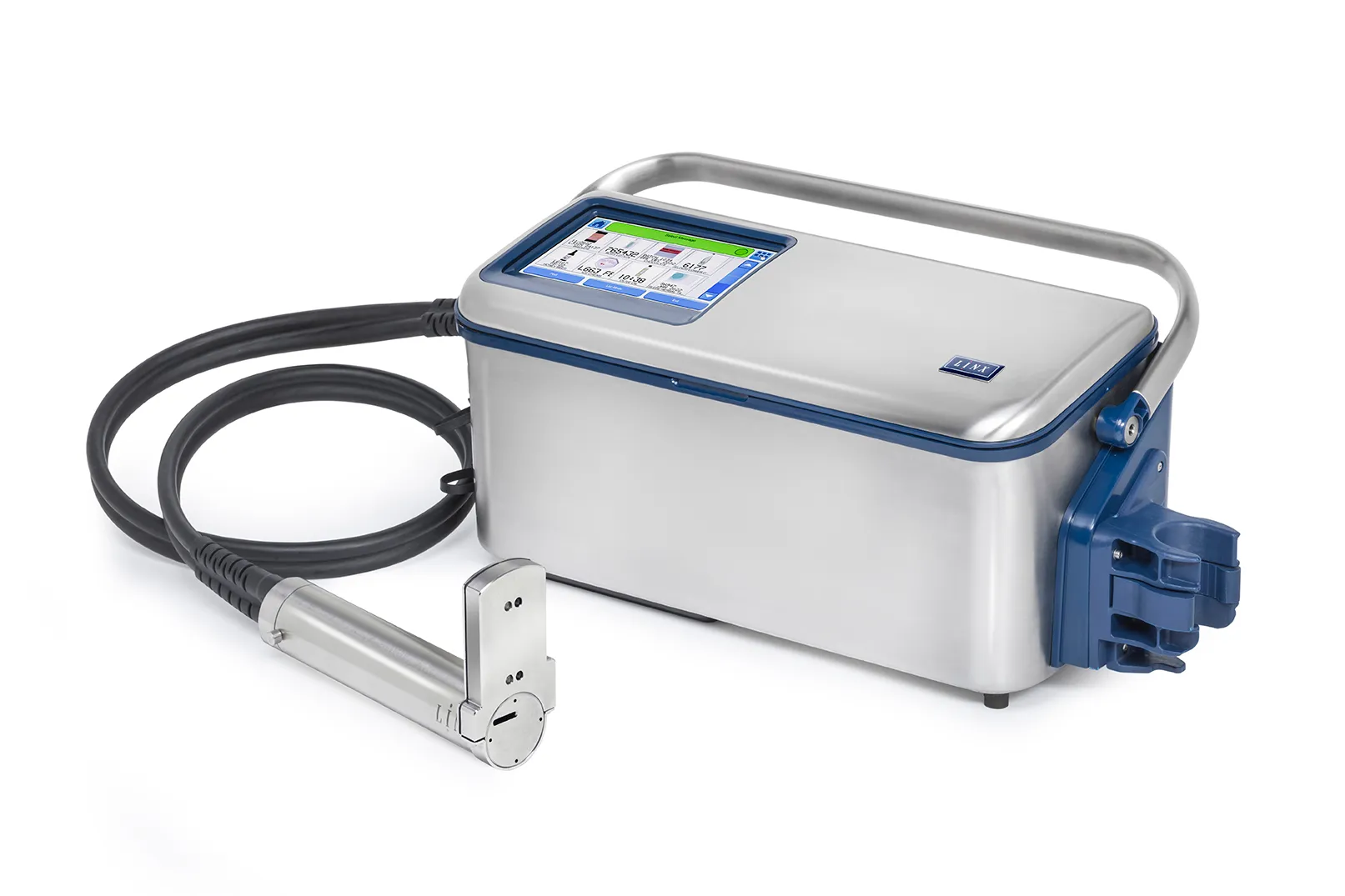
Traceability and compliance are critical concerns in modern manufacturing, particularly in industries such as food, beverage, and pharmaceuticals. With regulatory standards becoming more stringent, manufacturers need reliable solutions that ensure every product can be tracked throughout the supply chain. Continuous Inkjet Printers have emerged as key tools in achieving these goals, offering high-speed, non-contact printing that keeps production lines moving without compromising accuracy or legibility.
Maintaining a clear record of product information is essential for both consumer safety and operational accountability. Manufacturers require a marking system that can print batch numbers, expiration dates, and other critical data consistently across diverse surfaces and materials. Continuous Inkjet Printers provide this capability, supporting complex production schedules while minimizing errors that can lead to costly recalls or regulatory penalties.
Investing in a robust Continuous Inkjet Printer ensures that every product leaving the production line carries accurate and traceable markings. These printers are designed to work with a variety of packaging types—including glass, plastic, and metal—making them adaptable to multi-product facilities. Additionally, modern systems often include software solutions that log print activity and help maintain compliance with regulatory audits, providing a seamless way to demonstrate adherence to industry standards.
Enhancing Traceability in Manufacturing
One of the primary benefits of using Continuous Inkjet Printers is improved traceability. By printing unique identifiers on each product, manufacturers can track items through production, distribution, and retail channels. This capability is invaluable in managing recalls or investigating quality issues.
- Batch Coding: Allows manufacturers to link products to specific production runs, making defect identification and resolution faster.
- Serial Numbering: Facilitates individual product tracking, which is especially important for high-value or regulated items.
- Automated Record Keeping: Some printers integrate with enterprise systems, capturing data automatically for compliance reporting.
These features collectively enhance operational transparency, ensuring that companies can provide reliable information to regulators, partners, and consumers.
Compliance with Regulatory Standards
In industries like pharmaceuticals and food production, compliance with local and international regulations is non-negotiable. Continuous Inkjet Printers help businesses meet these requirements by providing consistent, durable, and legible codes that withstand environmental factors like moisture, heat, and handling.
Key compliance advantages include:
- Accuracy: Ensures critical information such as expiration dates and batch codes are printed correctly.
- Legibility: Clear markings reduce the risk of misinterpretation by regulators or consumers.
- Documentation: Integrated systems allow for automated logging of printing events, making audits straightforward and reducing administrative burdens.
Operational Efficiency and Reliability
Beyond traceability and compliance, Continuous Inkjet Printers improve overall manufacturing efficiency. Non-contact printing means that production lines can operate at high speeds without requiring additional labeling steps or slowing down for manual interventions. Minimal maintenance requirements and automated cleaning systems further reduce downtime, ensuring continuous operation.
Manufacturers can also adjust print parameters easily, allowing for flexible production schedules and changes in packaging formats without significant setup time. This adaptability makes Continuous Inkjet Printers a versatile solution for facilities with varied product lines and frequent changeovers.
Best Practices for Maximizing Traceability
To fully leverage the benefits of Continuous Inkjet Printers, companies should implement best practices, including:
- Conducting regular maintenance to prevent print errors.
- Training staff on proper operation and monitoring.
- Using compatible inks and consumables to ensure durability.
- Integrating printers with production and quality management systems for automated data capture.
Following these practices ensures that traceability systems remain reliable, compliant, and efficient.
Conclusion
Continuous Inkjet Printers play a vital role in enhancing traceability and regulatory compliance across manufacturing industries. By providing accurate, legible, and durable markings, they allow businesses to meet stringent regulatory requirements while maintaining operational efficiency. When combined with best practices and integrated systems, these printers become more than just a marking tool—they are a critical component in ensuring product quality, safety, and accountability throughout the supply chain.