
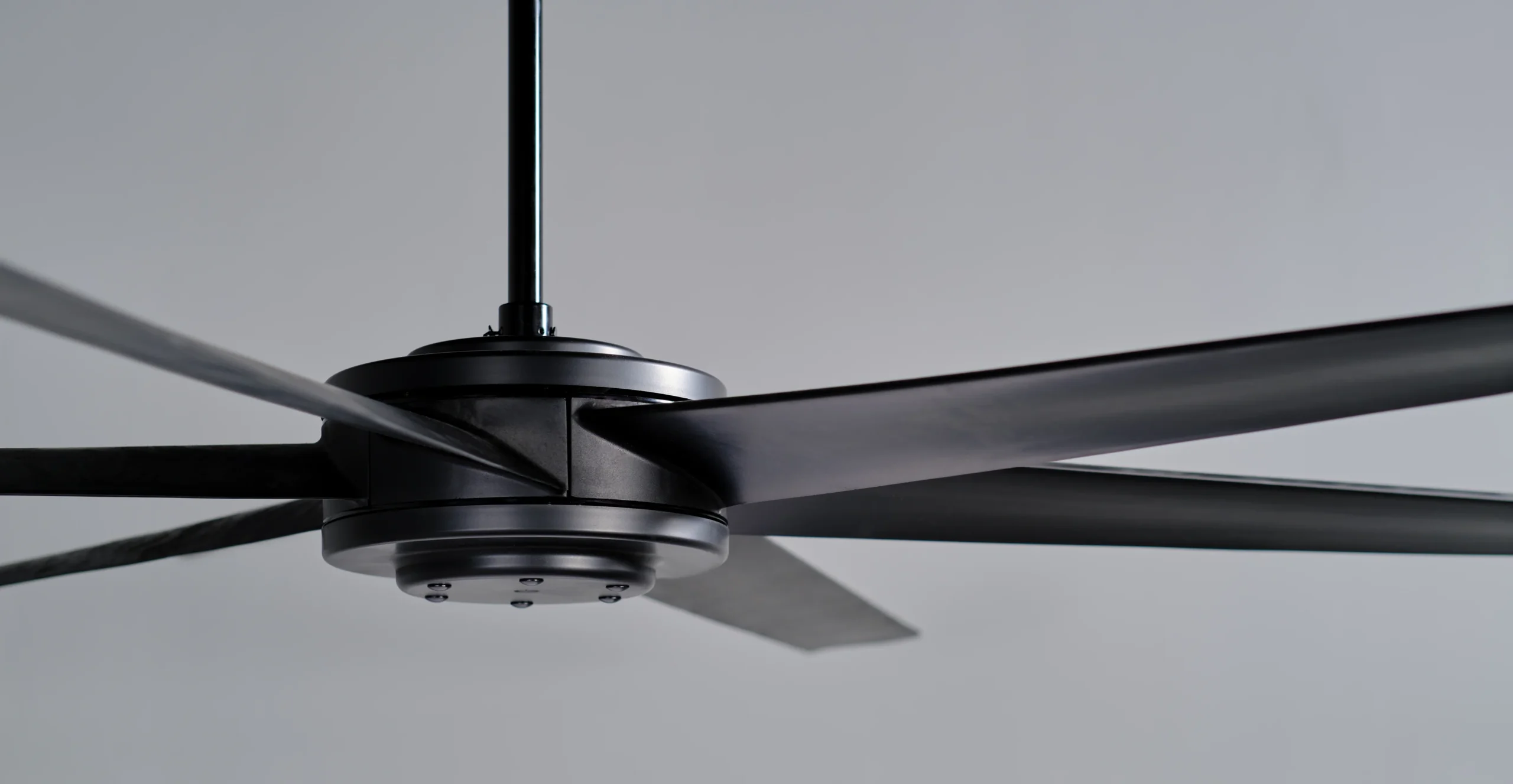
Residential fans play an important role in maintaining indoor comfort, especially in warm and humid climates. They help improve air circulation, regulate temperature, and reduce reliance on air conditioning systems. With advances in design and technology, modern fans are not only functional but also stylish and energy efficient, making them a practical addition to any home.
Choosing the right residential fans depends on factors such as room size, ceiling height, airflow needs, and energy efficiency. Homeowners today can select from a wide variety of fan types and features that suit different spaces, from living rooms and bedrooms to outdoor patios. Understanding how these fans work and what they offer helps ensure better comfort and long-term savings.
Common Types of Residential Fans
Residential fans come in several types, each designed for specific applications. Ceiling fans are the most popular option, providing consistent airflow throughout a room. They are ideal for living areas and bedrooms, as they circulate air efficiently without taking up floor space.
Wall-mounted fans are another option, particularly useful in smaller rooms or areas where ceiling installation is not possible. These fans provide directional airflow and are often adjustable, allowing homeowners to target specific areas.
Stand fans and pedestal fans offer flexibility and portability. They can be moved easily between rooms and are suitable for temporary cooling needs. Exhaust fans, commonly installed in kitchens and bathrooms, help remove heat, moisture, and odors, contributing to better indoor air quality.
Key Features to Consider
Modern residential fans are equipped with features that enhance performance and user convenience. Blade design is a critical factor, as it influences airflow efficiency and noise levels. Aerodynamically designed blades move more air with less energy, resulting in quieter operation.
Motor quality is another important feature. High-efficiency motors ensure smooth operation, durability, and reduced energy consumption. Many newer fans also include remote controls or smart connectivity, allowing users to adjust speed, direction, and timers with ease.
Lighting integration is a common feature in ceiling fans, combining illumination and cooling in one fixture. This is particularly useful in rooms where space and design cohesion are priorities. Additionally, reversible motor functions allow fans to operate in both summer and winter modes, improving year-round comfort.
Understanding Airflow and Room Size
Selecting the right fan requires matching airflow capacity to room size. Airflow is typically measured in cubic feet per minute, and higher values indicate stronger air movement. Larger rooms require fans with higher airflow to ensure effective circulation, while smaller spaces can function well with lower-capacity models.
Ceiling height also affects performance. For optimal results, ceiling fans should be installed at an appropriate height to distribute air evenly. In rooms with high ceilings, downrods may be necessary to position the fan correctly and maximize efficiency.
Energy Efficiency and Cost Savings
Energy efficiency is a major consideration for homeowners. Efficient residential fans consume significantly less electricity than air conditioning systems, making them a cost-effective solution for cooling. When used alongside air conditioning, fans help distribute cool air more evenly, allowing the thermostat to be set at a higher temperature and reducing energy bills.
Energy-efficient fans are often designed with advanced motors and optimized blade angles that minimize power usage while maximizing airflow. Over time, these features translate into lower electricity costs and reduced environmental impact, making them an eco-friendly choice.
Noise Levels and Comfort
Noise is an important factor, especially in bedrooms and study areas. High-quality residential fans are engineered to operate quietly, even at higher speeds. Smooth motor operation, balanced blades, and solid construction contribute to minimal noise and vibration.
Quiet fans enhance comfort by providing continuous airflow without disruption, making them suitable for sleeping, working, or relaxing. Homeowners should consider fan specifications and reviews to ensure low-noise performance.
Indoor and Outdoor Applications
Residential fans are not limited to indoor spaces. Outdoor-rated fans are designed for patios, balconies, and covered outdoor areas. These fans are built to withstand humidity and varying temperatures while maintaining reliable performance.
Using fans in outdoor living spaces improves comfort, encourages air movement, and helps keep insects away. Selecting the appropriate rating ensures durability and safety in outdoor conditions.
Maintenance and Longevity
Proper maintenance extends the lifespan of residential fans and ensures consistent performance. Regular cleaning of blades prevents dust buildup, which can affect airflow and balance. Periodic checks of mounting hardware and motor function help maintain safe and efficient operation.
High-quality fans made with durable materials require minimal maintenance and offer long-term reliability. Investing in well-designed models reduces the need for frequent replacements and repairs.
Conclusion
Residential fans are an essential component of comfortable and energy-efficient homes. By understanding the different types, features, and energy-saving benefits, homeowners can make informed choices that enhance indoor comfort while reducing electricity costs. From ceiling fans to portable options, the right fan improves airflow, supports better temperature control, and complements modern living spaces. Selecting suitable residential fans ensures long-term comfort, efficiency, and value for any household.