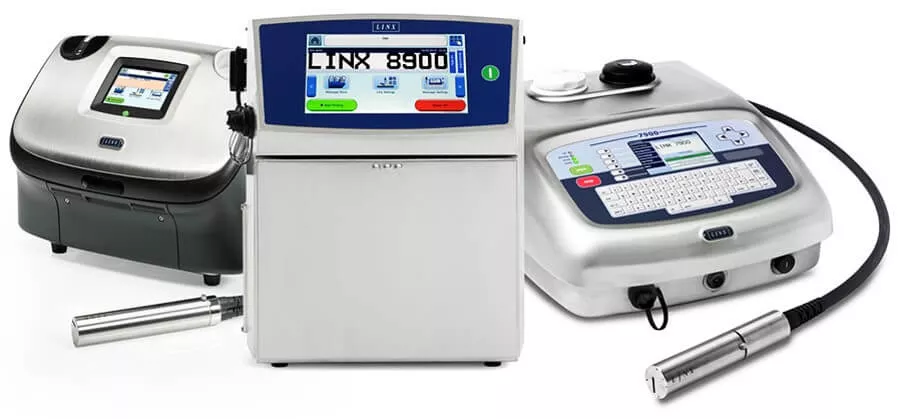
Continuous Inkjet (CIJ) printers are widely used in manufacturing and packaging industries to print variable information such as batch numbers, expiration dates, barcodes, and logos. One of the key factors that determine the performance and versatility of CIJ printers is the type of ink used. The right ink ensures high-quality printing, durability, and compatibility with different surfaces. Understanding the various types of ink used in CIJ printers can help businesses make informed choices for their production needs.
Solvent-Based Inks
Solvent-based inks are one of the most commonly used inks in CIJ printers. They consist of pigments or dyes dissolved in a solvent that allows the ink to dry quickly upon contact with the substrate. Many companies prefer Continuous Inkjet Printer models compatible with solvent-based inks for printing on non-porous surfaces such as plastics, metals, and glass. These inks provide excellent adhesion, durability, and resistance to smudging or abrasion. Solvent-based inks are particularly suitable for industrial applications where the printed information needs to withstand harsh environmental conditions, including exposure to chemicals or moisture.
Water-Based Inks
Water-based inks are another option for CIJ printers, especially when environmental considerations and safety are important. These inks use water as a solvent, making them less toxic and more eco-friendly than traditional solvent-based inks. Water-based inks work well on porous surfaces such as paper, cardboard, and certain types of coated packaging materials. While they may have slower drying times compared to solvent-based inks, advancements in water-based formulations have improved their drying speed and durability. Manufacturers often choose water-based inks for applications in the food and beverage or pharmaceutical industries, where low toxicity and regulatory compliance are critical.
UV-Curable Inks
UV-curable inks are designed to cure or harden when exposed to ultraviolet light. These inks provide superior durability and are suitable for marking non-porous and difficult-to-print surfaces, including metals, glass, and plastics. UV-curable inks are highly resistant to smudging, abrasion, and chemical exposure, making them ideal for products that require long-lasting, high-quality markings. In CIJ printing, UV-curable inks require additional curing equipment, such as UV lamps, to activate the hardening process. These inks are often used in electronics, automotive, and specialty packaging industries where durability and precision are essential.
Alcohol-Based Inks
Alcohol-based inks are a specialized type of ink used in certain CIJ printing applications. They provide rapid drying and excellent adhesion to a variety of substrates, particularly glass and coated plastics. Alcohol-based inks are commonly used in the beverage industry for printing on bottles and other glass containers. They offer good chemical resistance and maintain legibility under challenging conditions. However, their use may be restricted in some industries due to flammability concerns, requiring careful handling and storage.
Specialty Inks
Some CIJ printers are compatible with specialty inks designed for specific industrial needs. These include heat-resistant inks for high-temperature applications, low-temperature inks for chilled products, and conductive inks for marking electronic components. Specialty inks are formulated to meet unique production challenges and often require precise handling and calibration to maintain print quality. By selecting the appropriate specialty ink, manufacturers can ensure that markings remain legible and durable, even in extreme production environments.
Factors to Consider When Choosing Ink
When selecting ink for a CIJ printer, several factors should be considered. The type of substrate, environmental conditions, production speed, regulatory compliance, and desired durability all influence ink choice. Additionally, the compatibility of the ink with the printer model is crucial, as using the wrong ink can cause clogging, nozzle damage, or inconsistent print quality. Reputable suppliers provide guidance on ink selection and ensure that their printers are compatible with a range of industrial-grade inks.
Conclusion
The type of ink used in Continuous Inkjet printers plays a critical role in determining print quality, durability, and overall printer performance. Solvent-based, water-based, UV-curable, alcohol-based, and specialty inks each have unique properties that make them suitable for specific industrial applications. Choosing the right ink ensures consistent, high-quality markings on a variety of surfaces while meeting regulatory and operational requirements. Investing in a high-quality Continuous Inkjet Printer and selecting the appropriate ink type allows businesses to optimize production efficiency, maintain traceability, and enhance product presentation across diverse manufacturing environments.